


This is the second time that Trump’s inauguration has blindsided me. The first time, I was only three months into grieving my daughter, so I will give myself a pass. This time, though, I was simply in denial. To be clear, denial is not a coping strategy that I utilize often. I’m more of a “ruminate it to death” kind of person, but apparently when my mind ran an auction to see which psychological defense mechanism would be the star of the show this January, denial was the highest bidder.
So, I peacefully meandered my way into the start of the week, thinking that I already knew that the next four years would be bad and I could not be any more disillusioned about the morality of humanity than I already was. This being the case, I assumed that nothing would come as a surprise or disappointment. However, by Trump’s sixth hour of being president, I felt both surprise and disappointment. And also visceral panic.
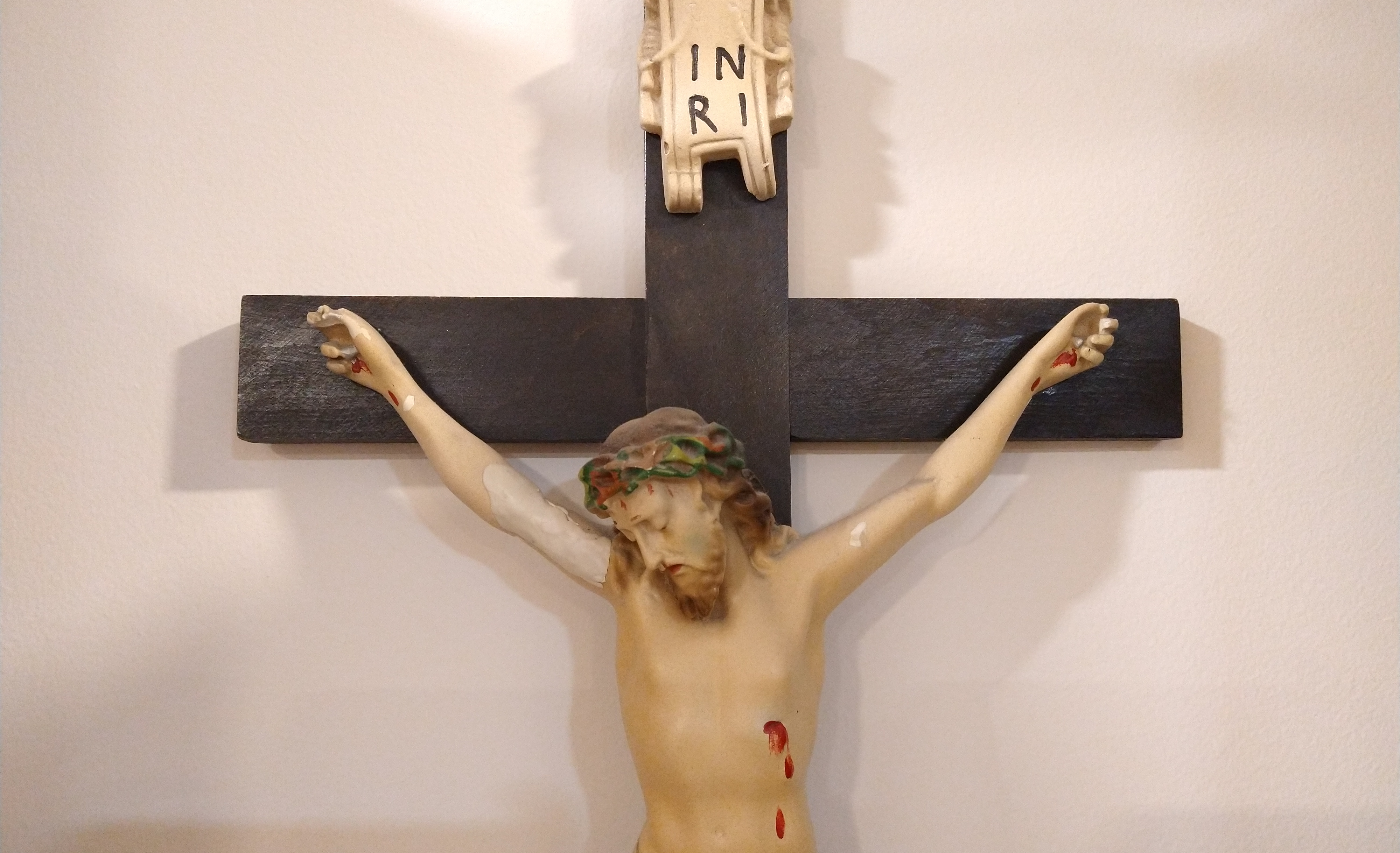
I will spare you of the litany of upsetting things the man has done in the past four days since he took office. If you have read this far, I trust that you already have your own list of horrors conjured in your mind. It is enough to say that my list includes blatant disregard for structures of democracy and the rule of law, suppression of knowledge, promotion of prejudice and hatefulness. Of course, all of the wrong has happened against a backdrop of a flaunted false Gospel that treats Jesus more like a tribal warrior than a wandering healer – one who, when being executed, prayed for the forgiveness of His executioners.
Still, though I have been caught off balance by the authoritarianism that has planted itself in the White House, my sense of right and wrong has been sharpened and become more acute, my opportunities to teach my children about who Jesus really is have grown exponentially, and I have been repeatedly encouraged by the thoughts and words of amazing men and women. I share the following quotes here in the hope that they may help the night to feel a little less dark for you and hope to feel a bit more real.
The first quote comes from J.R.R. Tolkien’s the Lord of the Rings. If you are familiar with the story, this quote is pulled from a scene in which Frodo has just been informed about the history of the ring and the role that he will need to play in destroying it. If you are unfamiliar with the story, I highly suggest using these cold mid-winter days to read it! Don’t be intimidated by its length – it’s worth it. It is also a wonderful story about a small, insignificant being who courageously takes on powerful evil and, through his faithfulness and determination, as well as the support of his friends, forever changes Middle Earth where he lives.
“‘I wish it need not have happened in my time,’ said Frodo. ‘So do I,’ said Gandalf, ‘and so do all who live to see such times. But that is not for them to decide. All we have to decide is what to do with the time that is given us.'”
The second quote is from C.S. Lewis’s work On Living in an Atomic Age. As is obvious from the title, it was his response to the development of the atomic bomb, however, if you do as I have done below and replace the references to the bomb with any of our current concerns, it is very helpful. I found this quote while I was looking for another similar but different quote that I was thinking about. That one effectively said that we have to keep doing art and pursuing our passions because, if we stop, we will have nothing left to fight for. This quote is a little less lofty but similarly helpful in knowing how to live in such times.
“If we are all going to be destroyed … let that (destruction) when it comes find us doing sensible and human things—praying, working, teaching, reading, listening to music, bathing the children, playing tennis, chatting to our friends over a pint and a game of darts—not huddled together like frightened sheep and thinking about (disasters). They may break our bodies (a microbe can do that) but they need not dominate our minds.
The third quote is from Heather Cox Richardson during her recent virtual talk with Red Wine and Blue. Red Wine and Blue is a grass-roots organization that promotes Democratic candidates and policies in the suburbs. While I do not agree with all of its positions, it is doing critical work in trying to protect our democracy. Heather Cox Richardson is a historian and professor at Boston College. She has been vocal about her opposition to Trump and his many dangerous and undemocratic deeds since his first term in office. Her commentaries are unique in both their breadth and the depth of historical context that she offers. I believe her quote is self-explanatory.
“One of the really important things to remember going forward as we fear the rise of authoritarianism in the United States: authoritarians cannot rise if there are strong communities and people are acting with joy. That is, you need despair and anger in order for an authoritarian to rise…It is okay to say, ‘I’m not gonna pay attention to politics for a while,’ but it’s not okay to stop bringing your best to the world. Whatever those things are that you bring to the community, do them and do them with joy and don’t stop doing the things you love because you’re scared because that actually is a form of resistance. Showing up and doing things you love says to an authoritarian, ‘You have no place to root here.'”
The fourth quote is from a Bible study about Nabal and his insult to soon-to-be King David. The particular lesson examines righteous anger. We spend so much of our lives trying to overcome our anger, but at times like these, anger is what will drive us to pursue what is good and right, just and pure. The criteria for righteous anger that the study provides is helpful in not only affirming that it is okay to feel rage about what is happening in our country, but also in reminding us that we must not sin in the way that we respond to this anger. All of history will, ultimately, testify to God’s glory and it is to that end that we should direct all of our actions.
“Author Robert D. Jones gives three criteria for righteous anger:
- It reacts against actual sin.
- It focuses on God and His kingdom, rights, and concerns, not on me and my kingdom, rights and concerns.
- It’s accompanied by other godly qualities and expresses itself in godly ways.” – Lisa Brenninkmeyer
This brings us to our fifth quote which reminds us that, even when our anger is righteous, God alone is the ultimate judge and He is just. He will redeem what is wrong and institute justice, even if we have to wait a for what seems an impossible amount of time for it to come. In the meantime, we pray for His kingdom to come, knowing that in the courts of the Lord beauty sprouts from the ashes.
“We have talked a great deal about God’s love and mercy and those qualities are an integral part of His character. But another aspect of His character is that of judge. God sees. He is fair. One day, all wrongs and injustices will be made right.” – Lisa Brenninkmeyer
The final quote is from Rebecca St. James’ song, You Make Everything Beautiful, which my kids and I have been singing all week. During times like these, we must remember that God will take even those things meant for evil and one day turn it to good for His glory (Genesis 5:20). In the meantime, we must live in faithful and patient obedience, doing what we are meant to do regardless of what is going on around us.
“Grant me serenity, Lord, and patience
For things will take time.
Grant me freedom to walk a new path
And let me feel Your love.
In my weakness You can shine.
In Your strength I can fly.
And You make everything, everything beautiful.
You make everything, everything new.
You make everything, everything beautiful.
In its time, in Your time
It’s beautiful.”
May God truly grant us the serenity to accept the things we cannot change, the courage to change the things we can, and the wisdom to know the difference. May we live one day at a time, enjoying one moment at a time. Accepting hardship as the way to peace, taking, as He did, the world as it is, not as we would like it. Trusting that He will make all things right, if we surrender to His will. That we may be reasonably happy in this world and supremely happy in the next. (adapted from the prayer by theologian Reinhold Niebuhr)


 Our little guy just spent some time in the hospital. The place was packed and we had to spend over twenty-four hours in the emergency department while we waited for a room. During our stay, the room across from us was occupied by a school-age boy whose parents were not with him. Instead, various hospital staff members took shifts sitting in the room while he played computer games and fought sleep. When it was time to transport this boy, he became so combative that the hallway was full of adults who were trying to pacify him. In a scene that was reminiscent of a shell-shocked war veteran, he screamed for his mother while being physically restrained by strong security guards. The response he was repeatedly given was, “We are trying to find your mom. We don’t know where she is.”



 My Sustaining Grace